
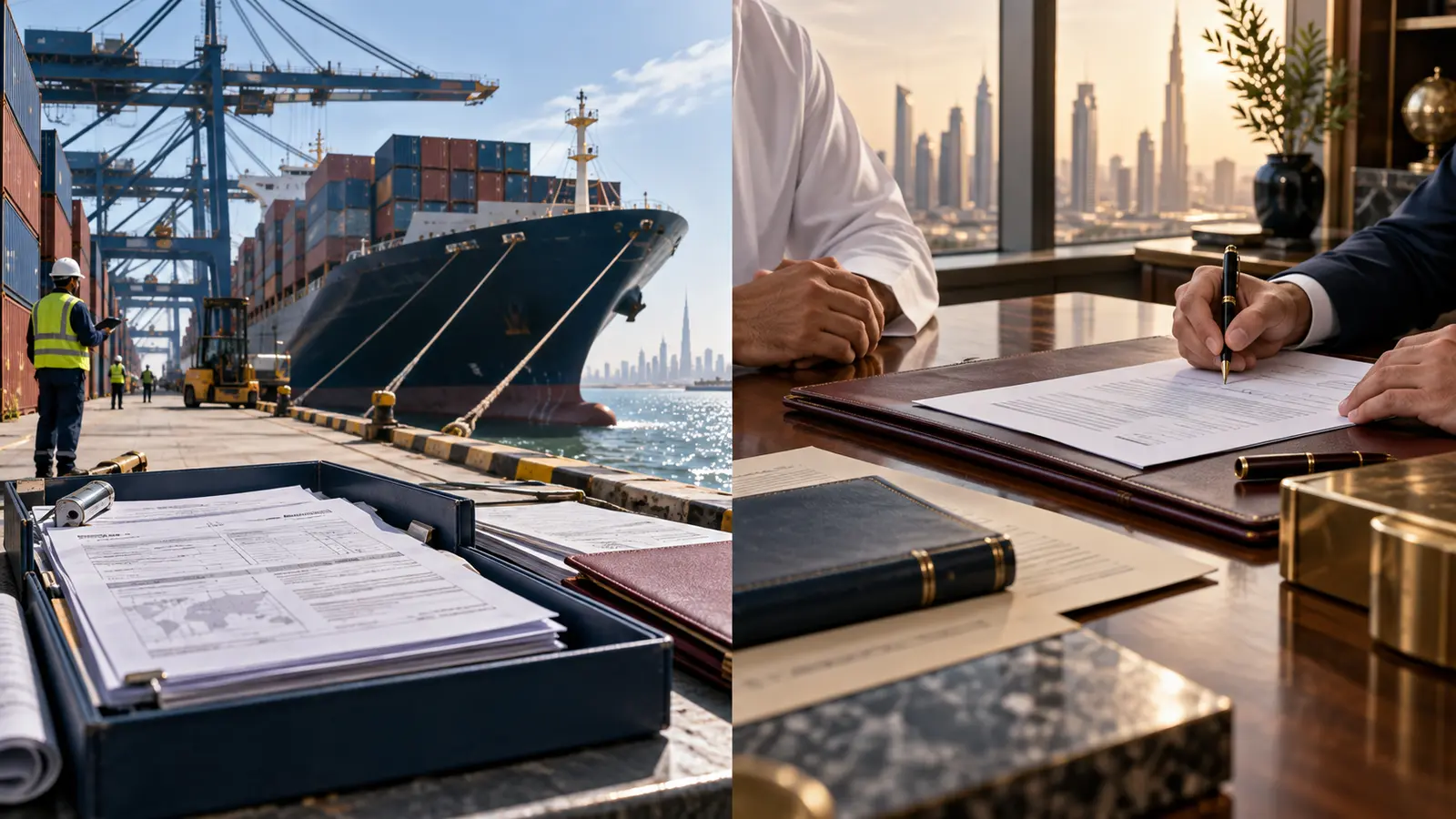
A Letter of Credit, often called an LC or documentary credit, and a Standby Letter of Credit, or SBLC, can look similar because both involve an issuing bank and a beneficiary. However, they are normally used for different purposes.
A documentary LC is commonly used as an active payment mechanism in trade. The seller presents the documents required by the credit, and the bank examines the presentation against the LC terms. If the presentation complies, payment is made according to the credit's terms.
An SBLC is generally designed as a standby undertaking. It provides an independent assurance of payment to the beneficiary if the applicant fails to meet the obligation described in the standby and the beneficiary makes the required presentation.
How a documentary LC works
Imagine an importer buying goods from an overseas supplier. The supplier wants confidence that payment will be available if it ships the goods and presents the required documents. The importer wants payment tied to documentary conditions.
The LC can bridge that gap. It sets out the documents, amounts, dates and payment terms. Depending on the transaction, these might include a commercial invoice, transport document, packing list, certificate or other specified documentation.
Documentary credits are commonly subject to the ICC's UCP 600 rules when the credit expressly incorporates them.
How an SBLC works
An SBLC generally sits in the background of the commercial relationship. The parties expect the applicant to perform or pay under the underlying contract without the standby being drawn.
If the applicant fails to perform the covered obligation, the beneficiary may make a demand or presentation under the SBLC in accordance with its terms. Standbys may be subject to ISP98 or, in some cases, UCP 600, depending on the wording of the instrument.
The practical difference
LC: commonly used as a primary documentary payment mechanism for a trade transaction.
SBLC: commonly used as a secondary or standby assurance supporting payment or performance.
LC presentations usually relate to trade documents evidencing shipment or performance of documentary conditions.
SBLC presentations are usually tied to the specified standby drawing conditions, often following a default or non-performance scenario.
Which one does your transaction need?
The answer depends on the commercial contract, beneficiary requirement, banking structure and purpose. A supplier asking for an LC may not accept an SBLC as a substitute, and a beneficiary asking for a standby obligation may not be looking for a documentary trade-payment mechanism.
Before requesting either instrument, businesses should identify exactly what the counterparty requires, what event should trigger payment, which documents must be presented, and what banking or jurisdictional requirements apply.
Questions to clarify before structuring
Is the instrument intended to make normal trade payment, or to stand behind an obligation?
What does the contract specifically require: LC, SBLC, guarantee or another instrument?
What amount, currency and validity period are required?
Which bank must issue, advise or confirm the instrument?
What documents or statements are required for presentation?
Which international rules should apply?
Frequently Asked Questions
Can an SBLC be used to pay for goods?
It can support a payment obligation, but it is generally a standby mechanism rather than the standard documentary payment process used in a commercial LC. The correct choice depends on the contract and beneficiary requirement.
Is an LC safer than an SBLC?
They address different risks, so one is not automatically 'safer'. The strength of either structure depends on the issuer, wording, applicable rules, documents and transaction.
Are LC and DLC different?
DLC usually means Documentary Letter of Credit. In many trade contexts it is simply a more specific way of describing a documentary LC.
Can UCP 600 apply to an SBLC?
Yes, UCP 600 can be used for standbys if incorporated, although ISP98 was specifically developed for standby practice.
Discuss Your Requirement
Every transaction is different. TradeMore reviews the commercial requirement, transaction structure, counterparties, documentation and applicable compliance considerations before identifying an appropriate financial solution. Solutions remain subject to assessment, eligibility, due diligence and financial institution requirements.